








Most people assume RV shopping starts in spring, right before the season kicks off. But fall is often the smartest time to buy: dealers are clearing space for next year’s models, prices reflect that shift, and you get the whole winter to get ready instead of scrambling for a last-minute purchase. So if you’re thinking about a new RV, here’s why the end of the season deserves your attention.
1. Prices reflect the inventory shift
Dealers need to clear space for next year’s models, which start arriving as early as fall. Every unit still on the lot in October represents a financing and storage cost the dealer would rather avoid over winter, a cost they have no interest in carrying alone. That reality shows up directly in the sticker price: end-of-season units are typically more negotiable than the same models once spring demand picks back up. It’s a structural advantage, not a one-off promotion, it simply follows the manufacturers’ production calendar and dealers’ inventory logic.
Want to see the price gap in real time? Our Navigator comparison tool shows current in-stock units across the dealer network, with up-to-date pricing.
2. Trade-in value is at its best
If you have an RV to trade in, timing changes everything. At the end of the season, dealers need inventory movement just as much as they need to close a sale, your used unit becomes an asset they can resell or move before winter, which makes them more willing to offer you a strong trade-in value. Wait until spring, and you’re often in line with dozens of other buyers offering the same trade at the same time, which weakens your position. Bottom line: your old RV is usually worth more in October than in April, simply because the dealer needs it more right now.
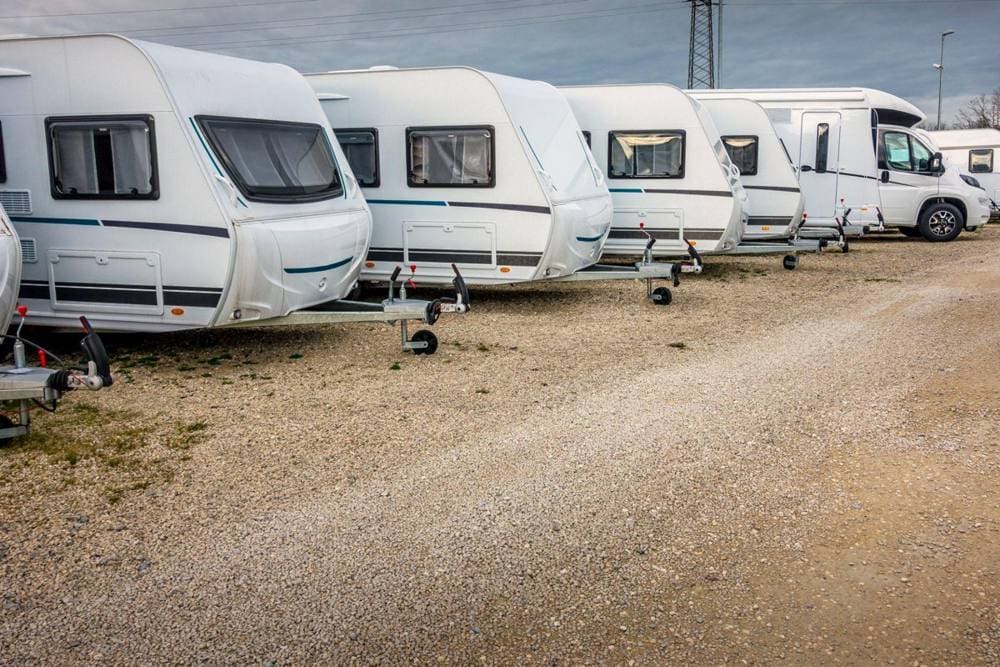
Whether new or used, RVC Navigator lets you shop for exactly the model you want at dealerships near you.
3. Extras get better terms too
Beyond the sticker price, end of season is also when dealers have the most room to sweeten a deal in other ways: including accessories, extended warranties, better financing options, first-winter storage, and more… These extras often make the real difference in total value, and they’re easier to negotiate when a dealer wants to close the sale quickly rather than wait for spring.
4. Selection is still wide, but it’s starting to shrink
Contrary to popular belief, end-of-season inventory isn’t just leftover stock the dealer couldn’t sell. In October, plenty of this year’s models are still available, it’s actually one of the best windows to find the exact unit you want, with the configuration and layout you’re after. But that availability won’t last: each passing week narrows the choice, and the most sought-after models go first, regardless of season. Wait until spring, and you risk having to choose between last year’s leftovers and pricier new models.
The unit you have your eye on might still be available, but for how long? Browse current listings on Navigator by budget or by province.
5. You gain a whole winter to get ready
Buying in October instead of April completely changes your prep timeline for the next season with your new RV. Instead of cramming the purchase, learning the vehicle, and planning your first trip in just a few weeks, you have the entire winter to get organized, time to learn how everything works, plan your route, install the accessories you’re missing, and handle the small adjustments before the season even starts.
The result: instead of a stressful first outing, you hit the road on the first nice day fully ready, a luxury spring buyers probably won’t have.
Ready to take advantage of the end of the season?
The best end-of-season deals don’t last, they fill up week by week as savvy buyers close their purchases. Explore new RVs currently available from RV Care network dealers on Navigator, filter by budget and province, and find the unit that gives you a head start on next season.